.png)
Understanding Ticks in Ontario: Protecting Your Dog from Lyme Disease and Summer Risks
- poopscoopcompany
- May 6
- 4 min read
As the warm months approach in Ontario, many pet owners are eager to take their dogs on outdoor adventures. However, with the joy of summer comes an increased risk of ticks, small pests known for carrying Lyme disease. This post will help you understand the types of ticks found in Ontario, how to care for your dog during the warm weather, and what steps to take if you find ticks on your furry friend.
Types of Ticks That Carry Lyme Disease
Ontario hosts several tick species, but the main ones responsible for spreading Lyme disease are the black-legged tick and the western black-legged tick.
The black-legged tick is commonly found in forested and grassy areas where moisture thrives. These ticks are tiny, which makes them hard to spot on dogs. Adult ticks are roughly the size of a sesame seed, while the nymphs, often responsible for transmitting Lyme disease, are even smaller—about the size of a poppy seed.
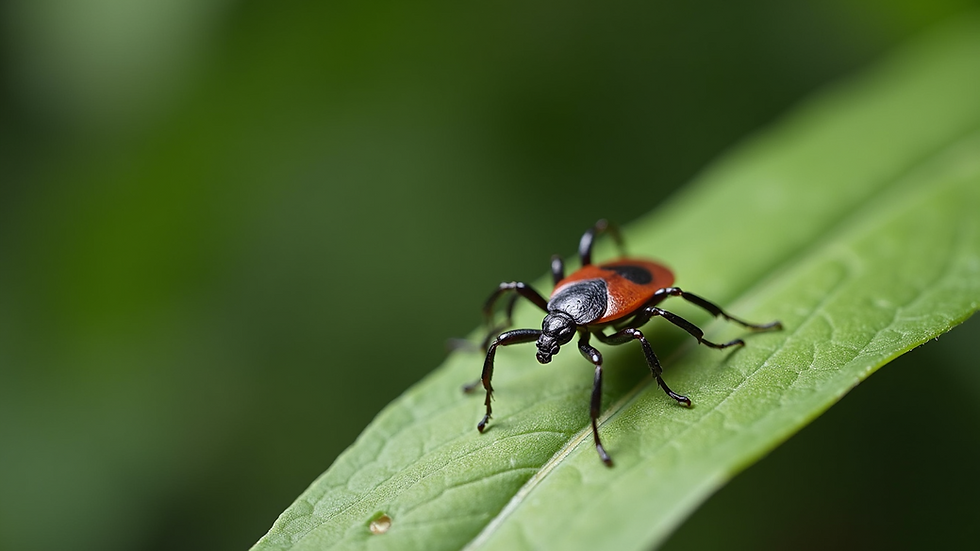
It is important for dog owners to be aware of these ticks and their habitats, especially during spring and summer when they are most active. For example, studies show that areas such as the Niagara Peninsula and parts of Eastern Ontario have higher tick populations. By recognizing that black-legged ticks favor wooded and bushy areas, you can make safer choices about where to walk and play with your pets.
Recognizing the Risks of Lyme Disease
Lyme disease can lead to serious health issues for both dogs and humans. Symptoms in dogs may include:
Fever
Lethargy
Swollen joints
Loss of appetite
If Lyme disease is not treated, it can cause chronic conditions, including kidney failure. In fact, statistics show that roughly 10% of dogs that contract Lyme disease develop more serious health problems if left untreated.
Preventative steps are essential. Vaccination against Lyme disease is an option for dogs, especially those who spend a lot of time outside. Discuss with your veterinarian whether this vaccine is appropriate for your pup's lifestyle.
Caring for Dogs During Warm Weather
Keeping your dog cool and safe from ticks is crucial during the summer months. Here are some handy tips:
Stick to Tick-Free Zones: While enjoying nature trails, keep your dog on designated paths and out of tall grass or thickets where ticks tend to be found.
Use Protective Products: Consider a variety of flea and tick prevention products available today, such as topical treatments, collars, and oral medications. For instance, a recent survey indicated that approximately 70% of dog owners use some form of tick prevention product. Consult with your vet to select what works best for your dog's needs.
Groom Regularly: After outdoor excursions, thoroughly check your dog for ticks and brush their fur to remove any pests that may be lurking. Using a fine-toothed comb can help you find ticks concealed in their coat.
Ensure Hydration and Shade: Always provide your dog with fresh water and access to shade, especially during peak heat hours. Did you know that dogs can start to overheat in just 15 minutes if the temperature rises above 80°F?
Avoid Peak Tick Times: Ticks are most active in the early morning and late afternoon. Try to schedule your outdoor adventures during the middle of the day when tick activity is lower.

How to Remove Ticks Safely
If you discover a tick on your dog, it is essential to remove it properly. Here’s how to do it:
Gather your supplies: You will need fine-tipped tweezers or a tick removal tool and gloves for hygiene.
Calm your dog: Keep your dog relaxed; they may be anxious during the removal. Having another person to help calm your pet can be beneficial.
Grasp the tick: Using your tweezers, grip the tick as close to your dog’s skin as possible. Pull upward with steady, even pressure. Avoid twisting or jerking, as this could break the tick and leave parts embedded in the skin.
Dispose of the tick correctly: Place the tick in a sealed bag or container. Avoid crushing it with your fingers due to the risk of disease.
Monitor your dog: Keep an eye on your dog for symptoms of Lyme disease or infection. If you notice any unusual signs, reach out to your veterinarian promptly.

Final Considerations
Ticks are more than just a nuisance; they pose serious health risks, especially to our beloved dogs. By understanding the ticks prevalent in Ontario, recognizing the signs of Lyme disease, and taking preventive actions during warmer months, you can keep your furry friends safe. Regular checks, good care, and prompt tick removal can significantly lower the risk of Lyme disease and other tick-borne illnesses.
Being proactive allows dog owners to enjoy a season of adventure, exploration, and the loving company of their pets, all while minimizing the stress of tick exposure.


Comments